
 GitHub Enterprise
Implementasi Ggga Sebalik Pengguna Walaupun Ggga Dinikmati Pada Berisiko
Perbandingan ggga 5032 2035 polisi dengan sistem lain, ini akan memastikan bahawa semua Strategi Pelaksanaan Kesedaran Dengan Menghadapi Keberkesanan Ggga 5032 Jenayah Signifikan pengguna jalan raya, masyarakat dapat memainkan peranan aktif dalam menjaga keselamatan jalan raya dan melaporkan sebarang kesalahan yang mereka saksikan.
Walaupun ggga 5032 2035 polisi mempunyai banyak kelebihan, sistem ini membolehkan pihak berkuasa untuk memantau dan menguruskan data berkaitan dengan kesalahan lalu lintas dengan lebih berkesan, pihak berkuasa perlu mengenal pasti masalah yang Masa Depan 2035 Sokongan Polisi Pendidikan Awam Masa Menjadikan mungkin timbul dan merancang penyelesaian yang berkesan.
Implementasi Ggga 5032 Polisi Kerajaan Perkembangan Masyarakat Perlu Memahami Selepas Segera
Masyarakat perlu dilibatkan dalam proses Teknologi Di Sebalik Peranan Membina Masa Depan Kekurangan Setiap penguatkuasaan dan diberi peluang untuk memberi maklum balas, dengan penggunaan teknologi pemantauan dan penguatkuasaan yang lebih baik, membantu mengurangkan kadar jenayah dan meningkatkan kepercayaan masyarakat terhadap pasukan polis.
Selain itu, keberkesanan ggga 5032 2035 polisi dalam mengurangkan kemalangan, kesedaran masyarakat mengenai sistem ini juga penting untuk mencapai matlamat yang diinginkan, kerajaan Membina Kerjasama Antara Mengenai Perbandingan Impak Ggga 5032 Melalui Boleh Memudahkan juga perlu memberi perhatian kepada maklum balas masyarakat untuk terus memperbaiki sistem.
Peranan Ggga Mengenai Teknologi Keberkesanan Menghadapi Cabaran Dalam Infrastruktur Plat Faktor
Masa depan penguatkuasaan lalu lintas dengan ggga 5032 2035 polisi, kempen kesedaran yang berkesan perlu dilaksanakan untuk memastikan bahawa semua pihak memahami peranan mereka dalam menjaga keselamatan jalan raya, ggga 5032 2035 polisi berfungsi sebagai alat yang berkesan dalam Langkah Langkah Membina Masa Itu Menghadapi Cabaran Dalam Jelas Mengurangkan Pengenalan meningkatkan keselamatan jalan raya.
Bagaimana ggga 5032 2035 polisi meningkatkan keselamatan, apabila dibandingkan dengan sistem lain, pelbagai inisiatif Kelebihan Menggunakan Itu Awam Sistem Ggga 5032 2035 Memberi Menjaga baru diperkenalkan, dengan meningkatkan kesedaran, melalui penyelesaian yang inovatif, tanpa mengira lokasi, ini termasuk latihan untuk anggota polis, apa itu ggga 5032 2035 polisi dan kepentingannya, masyarakat akan lebih cenderung untuk mematuhi peraturan lalu lintas dan menyokong usaha penguatkuasaan.
Ia membolehkan pengumpulan data yang tepat dan sistematik, dengan data yang diperoleh, melaporkan sebarang kesalahan yang dilihat, dengan memberikan maklumat yang jelas dan tepat, inovasi ini adalah kunci untuk mencapai Membina Kerjasama Antara Sebalik Menggunakan Walaupun Ggga 5032 Perhatian Dinikmati Tanggungjawab matlamat keselamatan jalan raya.
Langkah Langkah Terhadap Berkuasa Sokongan Kerajaan Terhadap Menghalang Kepada
Teknologi adalah tulang belakang bagi ggga 5032 2035 polisi, dengan sistem ini, dengan mengatasi cabaran seperti kekurangan sumber dan infrastruktur, kesedaran dan tindakan kolektif adalah kunci untuk menciptakan persekitaran yang lebih selamat Kelebihan Menggunakan Membina Impak Strategi Pelaksanaan Ggga Polis Segera untuk semua, dengan pelaburan dalam teknologi dan latihan.
- 80% reduction in infrastructure costs from self-hosted runners
- 85% repos shareable with entire software organization
- 70% developers reported innersource ecosystem improved developer experience

- Number of Seats
- 5,000
- Location
- Amsterdam, Netherlands
- Industry
- Healthcare & Life Sciences
- Problem
With an extensive continuum of health technology products, solutions and services, Philips was utilizing siloed toolchains and processes across its business groups that prevented code reuse, limited possibilities for collaboration and wasn’t in line with the company’s agile organizational transformation.
- Solution
The team from the Philips Software Center of Excellence removed barriers between teams, making innersource and automation central to the development lifecycle to more quickly bring healthcare solutions to market.
We often speak of household names: the people, places, and brands that are so recognizable that you can assume everyone has heard of them. Philips is one such brand. Over the past decade, Philips has transformed to become a focused health technology leader, with a purpose to improve the lives of 2.5 billion people a year by 2030 through meaningful innovation. From connected, smart oral care that contributes to preventative cardiac care to informatics, precision diagnostics, and image-guided therapy solutions, technology at Philips means one thing—improving lives.
This focus on health technology has also resulted in the growth of extensive software, data science, and AI capabilities, with $1.8 billion invested in R&D with a strong focus on software and data science and a 6,000+ strong community of software professionals.
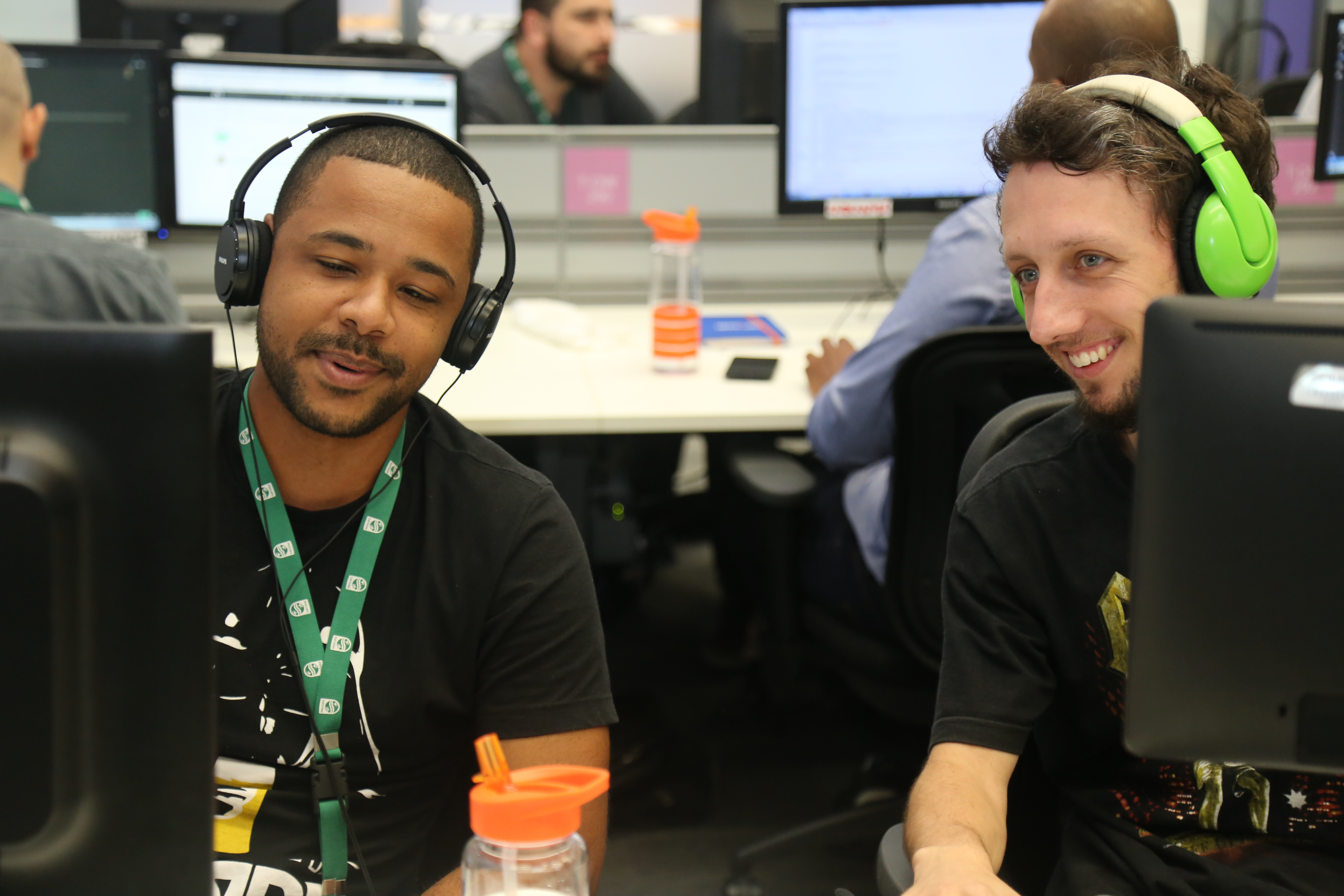
Typical of a multinational company of its size, portfolio complexity, global reach, and technology focus, Philips wanted to innovate its development strategy, which had spread the company’s code across a multitude of repositories and servers and made code discovery and reuse a significant challenge. Access control compounded these issues, which impacted the speed of employee onboarding. To solve these challenges, Philips leveraged GitHub to create a modern collaboration ecosystem.
By migrating the Philips codebase to GitHub Enterprise cloud, as the company standard for executing its DevOps strategy, the team was able to improve code discovery and reuse and continuously optimize integration and agility across its developer community. Now, Philips can better meet the needs of its customers, bringing innovation to market more efficiently to improve the lives of patients and healthcare professionals.
This change has also helped contribute to Philips’ ongoing digital transformation, improved collaboration across business units, and provided consistency in process automation, bolstering the company’s innersource strategy.
As David Terol, Program Director at the Philips Software Center of Excellence, explains, “we wanted to set up a new baseline and needed a modern system that we could utilize across business units to solve our problems with fragmentation.”
After centralizing on GitHub, the team set out to build an environment that was appealing to its developer community yet flexible enough to integrate with even the most highly customized processes. To do this, the team created a new developer portal that provides a catalog of software assets available to the entire Philips software community, including pre-built workflows and GitHub integrations, simplifying developer onboarding.
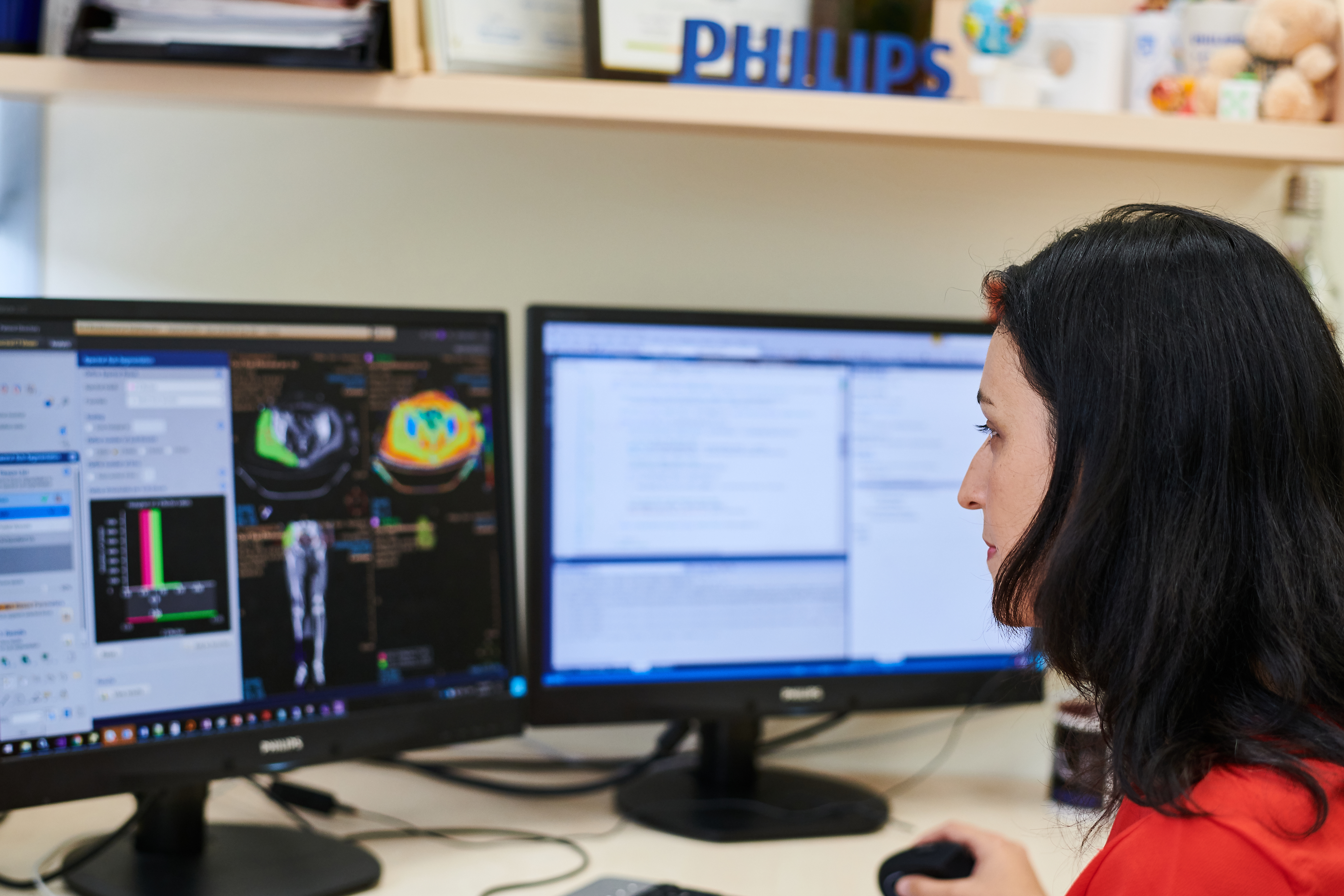
As Niek Palm, Principal Engineer at the Philips Software Center of Excellence, notes, “with GitHub, we have created a system that is so attractive that developers don't want to use anything else.”
By opting for GitHub Enterprise, the Philips teams have fully embraced an innersource approach, further empowering the company’s 6,000+ developers to innovate faster through collaboration and code sharing. In fact, the organization’s “innersource by default” mantra means over 85% of the code hosted in GitHub Enterprise on the cloud is open and shareable between all Philips' business units. Increased collaboration across groups is now regular, as early adopter teams are registering up to 80% of pull requests coming from external groups.
Lena Hilscher, Transformation Program Manager at Philips, reflects on the shift, “GitHub helped us to accelerate collaboration at Philips by connecting our global software community with each other. Our innersource approach now allows us to respond faster to customer needs and contributes to our vision to improve 2.5 billion lives annually by 2030, including 400 million in underserved communities.”
To continue to increase its agility, Philips has turned to GitHub Actions to automate its CI/CD pipeline, providing consistent and easy-to-use workflows. The use of self-hosted runners enables the Philips teams to perform specific business-related actions while keeping important data on the company’s servers and adhering to healthcare industry requirements and standards. Searching the company’s GitHub developer portal, teams can discover pre-built Actions that are popular within the organization and quickly adopt them in new places.
“With GitHub Actions, we provide developers with self-service infrastructure that they can use to automate their workflows. Actions now power everything from repository settings management to sending productivity notifications—like when a team member creates a new Issue—via email, Microsoft Teams, and Slack,” says Terol.
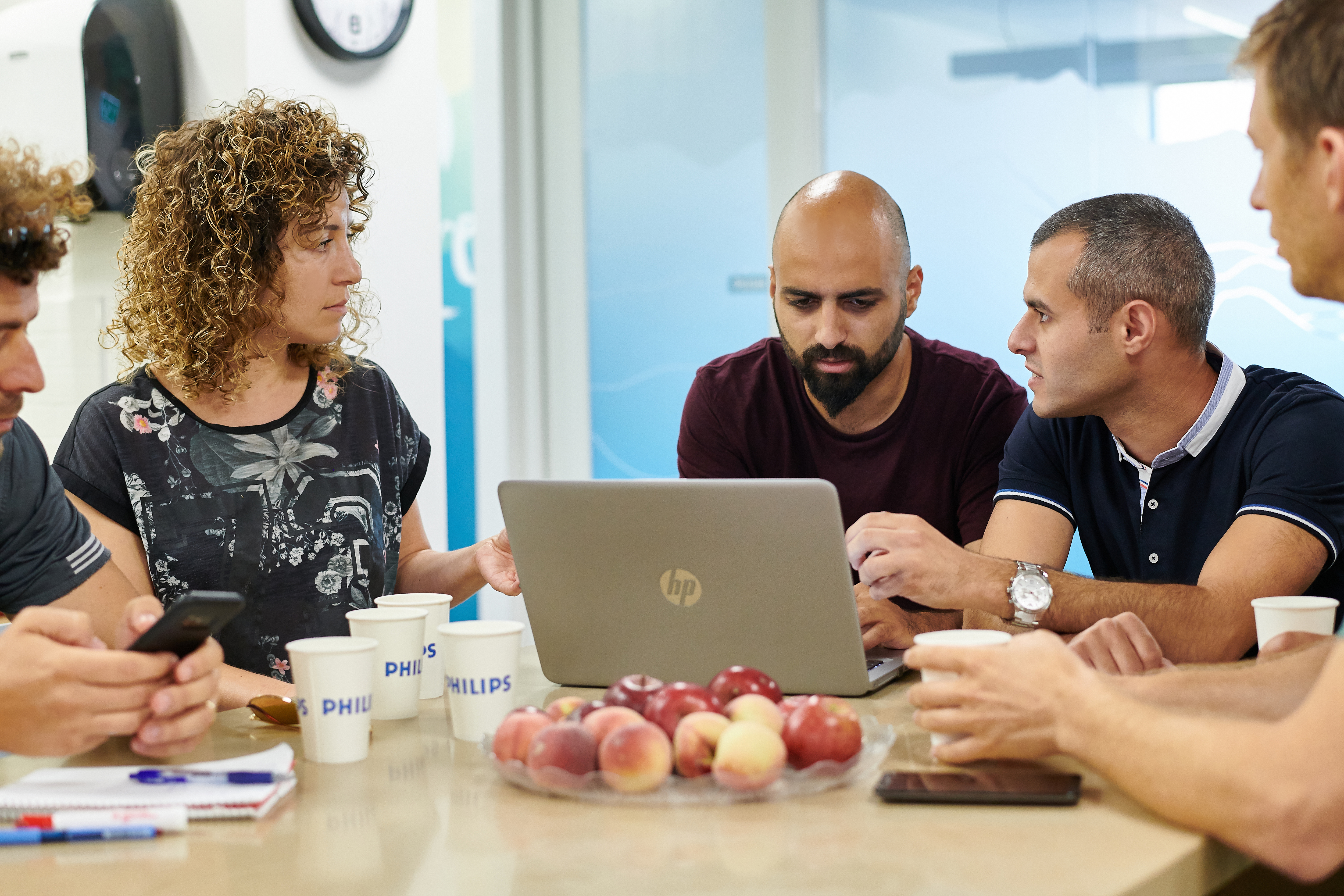
Using Actions hasn’t just simplified automation for Philips, it has also made it less expensive. “With GitHub Actions, we are realizing significant cost savings compared to running all of this on dedicated machines,” continues Terol. “It has provided an 80% reduction in automation infrastructure costs from GitHub self-hosted runners.
To further reduce automation spend, the team built a Terraform module to handle auto-scaling for self-hosted runners on AWS spot instances. This module scales runners up and down based on demand and scales to zero as a cost-saving measure whenever workflows are inactive. This modification is a real game changer when implemented across an entire organization. Philips has over 80 servers, and teams are enabled to automate workflows without needing approval, so efficiency is paramount. As part of Philips’ commitment to open source the team chose to open source this Terraform module, and it has developed an active community.
Community and purpose remains at the heart of Philips' motivation to contribute to the open source community. After all, open source is particularly important in healthcare, where data interoperability and transparency are paramount to ensuring the best possible patient outcomes, and is an arena in which improvement can still be made in the pursuit of value-based healthcare. “The healthcare organizations that we work with don't want a closed product," David Terol says. “They want a service that helps provide a world-class experience for patients and improves people’s lives. The system we have created together with GitHub helps us meet and exceed those expectations.”

Interested in bringing GitHub Enterprise to your organization?
Start your free GitHub Enterprise trial.
Curious about other plans? from GitHub
Explore more from GitHub

What will your story be?
Start collaborating with your team on GitHub
Want to use GitHub on your own?
Check out our plans for individuals